New efficiency-enhancing equipment coming to Isabella County recycling center
Isabella County’s recycling center will replace its aging baler in August using more than $500K in federal grant funding secured through a partnership with the Saginaw Chippewa Indian Tribe. Officials say the investment should reduce maintenance concerns and prepare the facility for future improvements, though some recycling services will temporarily pause during installation.
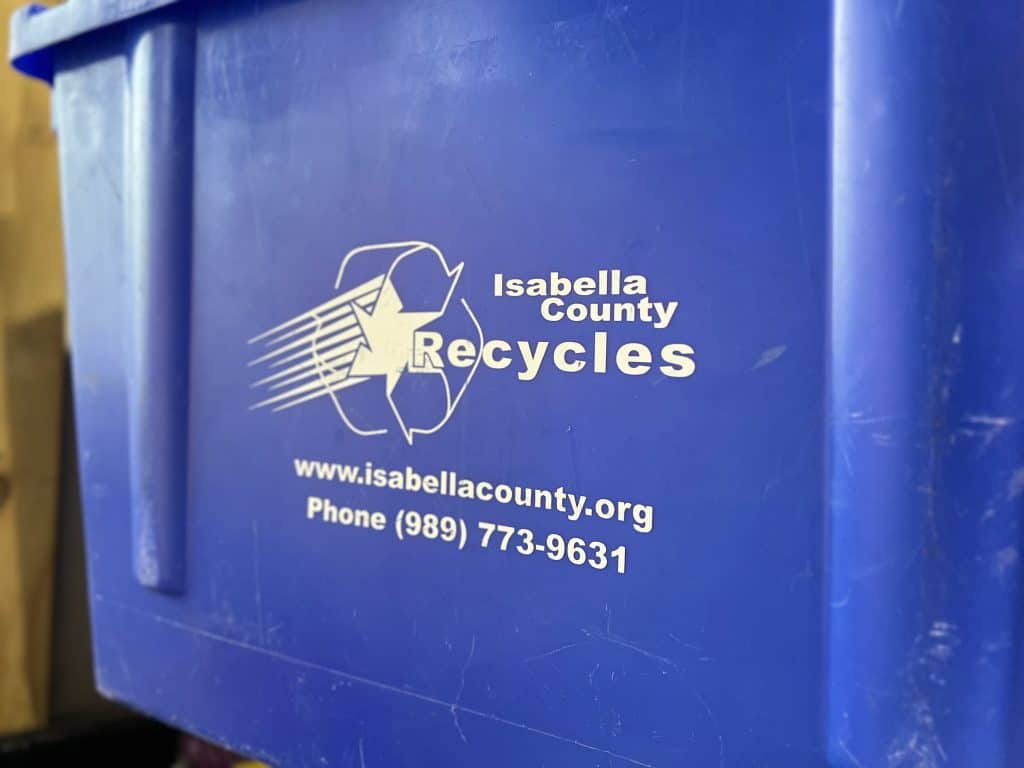
The Isabella County Material Recovery Facility plans to install a new baler at the recycling center in August. This new equipment is designed to improve the efficiency and reliability of recycling services for the area.
According to Isabella County Material Recovery Facility director, Charity Sweet, the current baler is one of the most important pieces of equipment at the recycling center. It’s about 20 years old, where the average life expectancy of this equipment is 20 to 25 years.
Sweet says the center is already seeing signs of wear from the baler, along with higher costs to operate because of its aging.
“We’re approaching that life expectancy,” shares Sweet of the baler. “We’re actually seeing the signs of the wear on the current baler that we have—where it’s starting to cost us more money to be able to maintain and keep that piece of machine running.”
The Isabella County Material Recovery Facility provides recycling services such as curbside recycling pickup, drop-off recycling, hauler resources, and business recycling for Isabella County.
Sweet shares the vital need for an effective baler to provide these services, saying, “The baler takes all the material that we process and sort, and it bales it up. We end up storing those bales in the back area until we have enough for shipment—being able to load that material onto semi trucks to go to the next processing facility where they break the material down and finish the recycling on it. So it’s a very important piece of equipment.”
The new baler being installed in August is possible thanks to a joint partnership with the Saginaw Chippewa Indian Tribe and U.S. Environmental Protection Agency (EPA) grant funding of over $500,000.
“The Tribe had applied for EPA grant funding, so they could use funding for some of their recycling and sustainability efforts,” explains Sweet, noting the Tribe received EPA grant funding, and their joint agreement with the Tribe allowed the purchasing of this equipment. “We are talking over half a million dollars that we received in grant funding for this piece of equipment, working in collaboration with the Tribe.”
While the new baler installation is happening, residential drop-off services will still be available, and curbside recycling pick-up services for residents will continue.
However, some business and hauler services will be temporarily halted.
The recycling center will not be able to accept materials from businesses and large haulers starting August 21 through August 29. Services will resume on August 31, following their standard closure on Sundays.
“Part of the reason for that is that we’re going to have to empty out the facility prior to them installing this piece of equipment, because they have to have enough room to be able to pull the old baler out and put the new equipment in,” explains Sweet.
“Our drivers are still going to be providing services around the county,” says Sweet about residential pick-ups. “They still want to be able to provide the service for our community.”
Plus, the residential recycling materials gathered during this time will allow testing to be done on the new baler after its installation.
Sweet also shares that the recycling facility will be closed down entirely on August 26 while electrical work is being done, for the safety of employees and the community.
Once installation is complete and operations resume to full capacity August 31, Sweet is optimistic about the investment’s long-term impact.
“I think that it will definitely help us to run efficiently,” she says. “But this new baler, not only will it cut down on possible downtime in the near future, considering our baler now is reaching its life expectancy, but I know that we’re looking at doing improvements to the facility in the near future. This specific baler has the ability to move within the new system, hopefully cutting down on the cost of new equipment in the future.”
Author

Related Articles
Partner Partner Content Five years in, Isabella Wind Park revenue is reshaping local school and farm finances
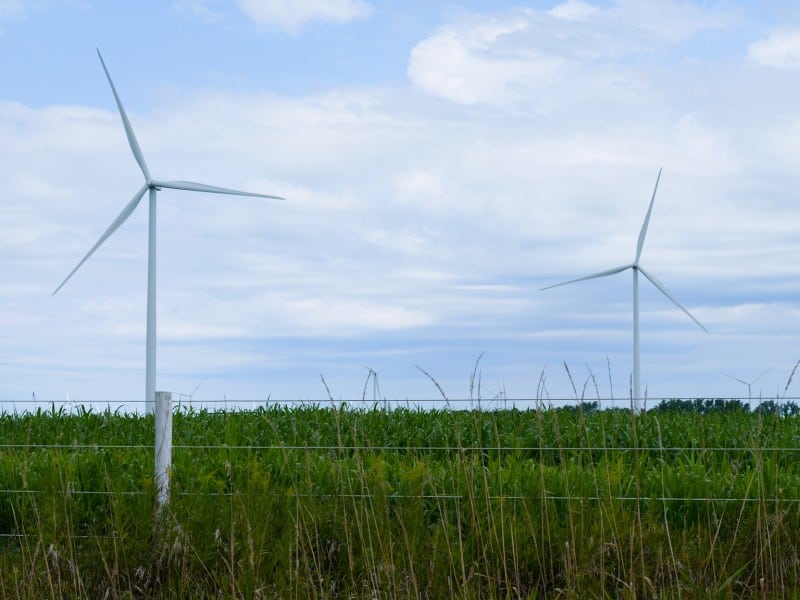
Five years after Michigan’s largest wind farm began generating power in Isabella County, its economic effects are becoming clearer. A new analysis finds the project is generating millions in estimated annual lease revenue for landowners while expanding the tax base for local school districts, helping some pay down debt and improve facilities.
Renaissance becomes Isabella County’s only Evergreen-designated school
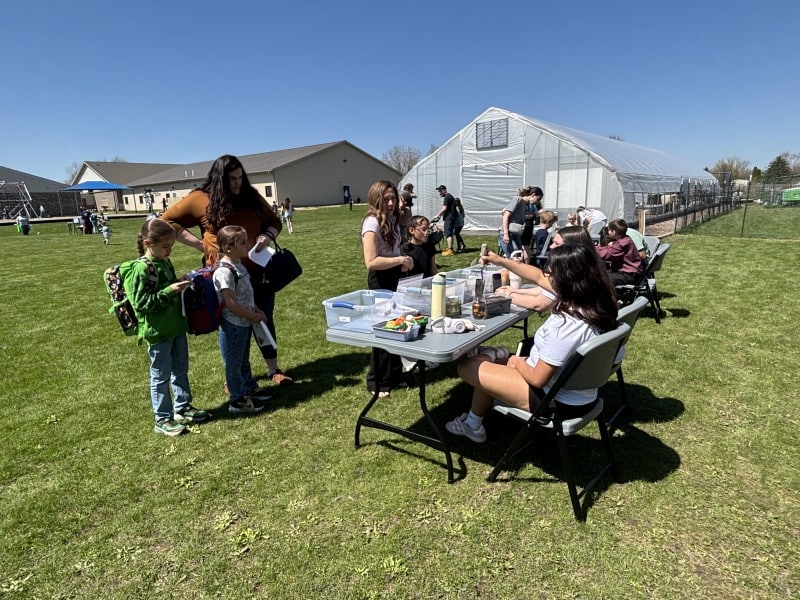
Renaissance Public School Academy became the only school in Isabella County to earn Michigan Evergreen School designation through a student-led sustainability effort.
How one local environmental expert helps protect Michigan’s aquatic systems
As an environmental quality analyst with the state and a volunteer with the Chippewa Watershed Conservancy, Blake Cahill blends science, service, and community engagement to safeguard native ecosystems and reconnect people with the natural world around them.


