Michigan Centered shows promise in addressing talent retention
A mid-Michigan initiative aimed at retaining CMU graduates is beginning to show signs of success, as participants say financial support, networking opportunities and community connections influenced their decision to stay in the region post-graduation.

An initiative aimed at keeping Central Michigan University graduates in the mid-Michigan region is offering financial incentives, networking opportunities, and community perks in an effort to retain young talent and strengthen the regional workforce.
Middle Michigan Development Corporation (MMDC) has partnered with the Michigan Growth Office, Central Michigan University and MakeMyMove to launch Michigan Centered, a program designed to encourage graduating students and recent alumni to build careers and lives in the Mt. Pleasant area.
The effort comes as some Michigan communities work to retain college graduates amid ongoing workforce shortages and concerns about population loss in parts of the state.
Selected participants can receive up to $2,000 in benefits, including reimbursements for housing, child care, and other qualifying expenses, along with local memberships and passes intended to connect them with the community.
The program is the latest local effort tied to the state’s broader Make MI Home initiative, which was created to support population growth and talent retention through locally driven programs. MMDC received a $20,000 grant last year to establish the Mt. Pleasant-area program with support from community partners.
“This initiative is about more than retention—it’s about reinvestment,” emphasizes Kati Mora, president and CEO of MMDC. “By working together with CMU, the Michigan Growth Office, and our other partners, we’re not only showcasing Mt. Pleasant’s strengths, but also creating real, long-term opportunities for individuals and families looking to call Michigan home.”
Mora explains Michigan Centered grew out of years of collaboration among economic development leaders in east-central Michigan who were hearing a common concern from employers: difficulty finding workers.
“The Michigan Centered initiative branched off of the regional work we have been doing with our economic development partners across the East Central portion of the state,” Mora says. “Collaboratively, we have been working on attracting and retaining talent in this area since 2019 when we kicked off our first Coming Home event.”
That annual event brings graduating students, alumni, and employers together in an informal setting where companies can discuss job openings and opportunities. Mora noted it has become a successful tool for connecting students with area businesses.
“It was primarily launched because our companies were sharing with us that finding people to fill their positions was one of their most challenging tasks,” Mora explains. “We wanted to be responsive to that.”
At the same time, concerns about stagnant population growth and workforce shortages pushed leaders to look for additional solutions.
“As population challenges began to take over the headlines, we felt we needed to do even more to ensure that our communities attract and retain people so that our companies can continue to operate at full capacity,” Mora adds.
Participants selected for Michigan Centered may receive up to $1,500 in reimbursements for rent, mortgage payments, child care, or other approved expenses. The remaining benefits include membership in the Young Professionals Network, financial planning assistance from a local bank, a Morey Courts gym membership, an Isabella County Parks Pass, and an annual Bark Park pass for pet owners.
Officials say the package is designed to help recent graduates overcome common barriers to staying local, including housing costs, limited professional connections and the challenge of establishing roots after college.
Michigan Chief Growth Officer Hilary Doe has shared the state is proud to support efforts that make it easier for graduates to remain in Michigan communities.
“We know young adults want great places, great opportunities, and welcoming communities where they choose to call home, and the Middle Michigan region checks all three boxes,” Doe said in a statement announcing the launch.
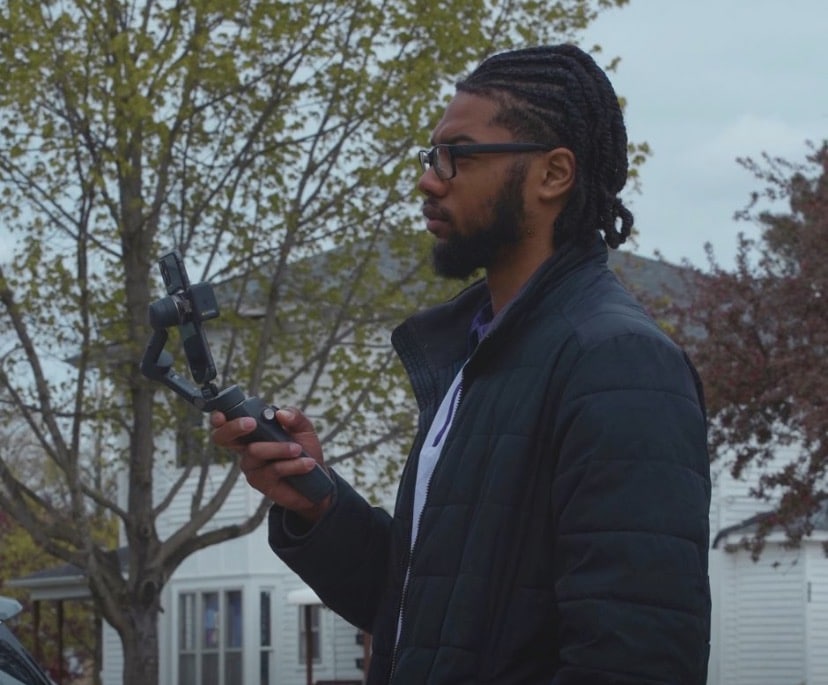
For some participants, the incentives have already made a tangible difference. Elijah Lewis, 22, a social video specialist at WCMU Public Media, said he applied after becoming interested in remaining in the area following graduation from CMU.
Lewis, originally from Ypsilanti, said the program has changed how he views Mt. Pleasant and mid Michigan as a place to build a future.
“I have definitely considered staying in the mid-Michigan area for a longer time than I initially planned for,” he shares. “I’ve [now] been able to get more of a taste of Mt. Pleasant [even] after living on campus all four years at CMU.”
He also mentions the financial support has been especially helpful.
“The financial assistance has been a huge help with rent and emergency payments that have come up through[out] the year,” says Lewis.
He added the program has helped him make valuable professional progress through its networking opportunities.
“Connections have helped me professionally by helping me to put my name into more and more rooms, along with my expertise and skills,” he says.
Lewis believes awareness will be key to the initiative’s success.
“I’ve learned that students are very responsive if they are aware of the benefits and that they qualify for such an initiative,” he explains. “I think it [will] have a big effect on retaining young professionals in the area, and it may turn some heads from moving out of the area.”

Andrew Wittbrodt, 24, echoes Lewis, sharing the program also helped shape his long-term plans after returning home to Mt. Pleasant.
Wittbrodt works as recreation coordinator and farmers market manager for the City of Mt. Pleasant. Originally from the area, he moved to Lansing for an internship while finishing college, then worked in Battle Creek before eventually returning.
He said conversations with MMDC staff introduced him to the program at a pivotal time.
“It sounded like a great opportunity to get my feet under me as I moved home,” Wittbrodt recalls.
The experience has encouraged him to consider buying a home locally rather than renting. Wittbrodt shared he hopes to use that advantage to put down even deeper roots in the Mt. Pleasant community.
He also credited the Young Professionals Network with helping him form meaningful connections.
“The friendships I have already made through the Young Professionals Network have been life-changing for me, as it’s great to connect with like-minded professionals,” Wittbrodt notes.
Wittbrodt feels Mt. Pleasant has historically struggled to retain graduates after they leave campus life behind.
“This can be due to many factors, such as a lack of available jobs or high housing costs,” he says.
Still, he believes Michigan Centered can help shift that trend.
“I feel that this program will help encourage graduates to stay in the area and consider placing roots in the Mt. Pleasant community,” Wittbrodt adds. “We need some younger professionals to start stepping in and taking on leadership roles in the industries based in Mt. Pleasant.”
Mora said MMDC is already seeing broader interest in the region beyond recent graduates.
“The most pleasantly surprising thing about the MakeMyMove initiative is just how many people outside the state have expressed interest in living here,” she says. “439 people have expressed interest in Mt. Pleasant specifically through this platform, and they are located from all over.”
While participation numbers matter, Mora said the true measure of success may come later.
“Success for this program can be measured in a couple of ways,” she says, “but I truly think that the biggest indicator of success will be the census report in 2030.”
For now, MMDC hopes to fill its remaining openings with graduating students eager to stay local and become part of Mt. Pleasant’s next generation of workers, homeowners, and community leaders.
Author
Related Articles
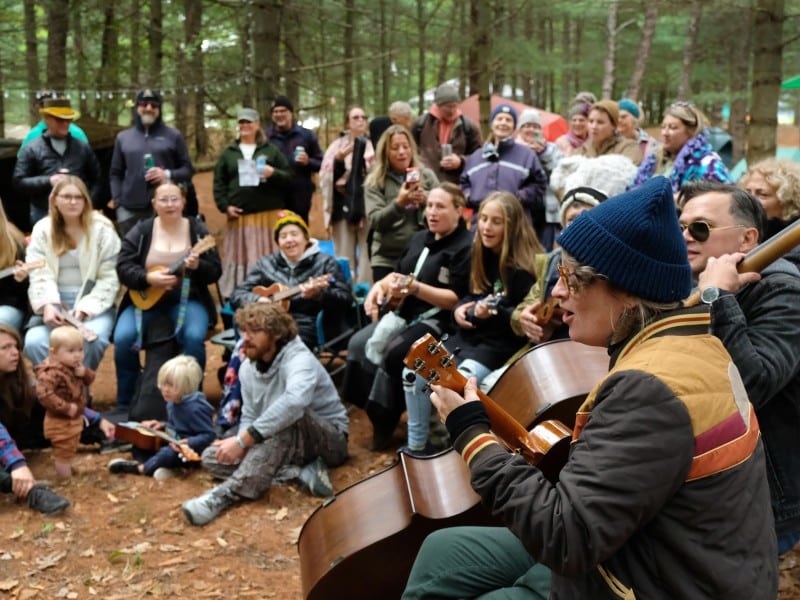
What’s Happening in Mt. Pleasant This September
September brings plenty of opportunities to get out and enjoy the beginning of fall in Mt. Pleasant. From live music and community fundraisers to festivals, family-friendly activities, local markets and more, there’s something for everyone throughout the month.
Experience August in Mt. Pleasant
August is packed with opportunities to make the most of summer in Mt. Pleasant. From the excitement of the Isabella County Youth and Farm Fair and free outdoor concerts to local markets, community fundraisers, and family-friendly festivals, there’s no shortage of ways to get out and enjoy the season.

How today’s Mission Street construction supports tomorrow’s improvements
As drivers navigate traffic shifts and construction zones, many are wondering what’s changing along Mission Street. City officials break down the current resurfacing project, upcoming shared-use pathway plans, and the long-term vision for one of Mt. Pleasant’s busiest corridors.


