
Beyond the Bells: The Salvation Army’s year-round support for local families
Food insecurity, rising costs, and tighter budgets mean more families are turning to The Salvation Army for help. Major Connie Shaw explains how their Alma Corps is stepping up, and how volunteers and donors can make a real difference right now.
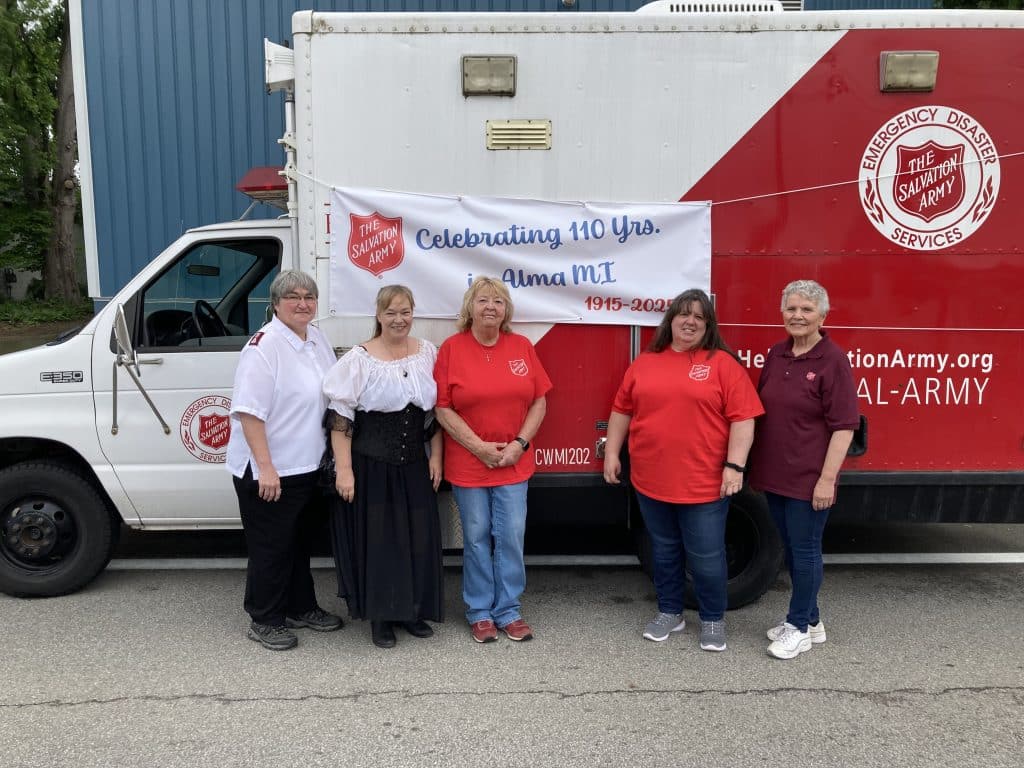
If The Salvation Army calls to mind nostalgic visions of bright red kettles and ringing bells during the holiday season, you may be surprised to learn that the organization offers a variety of resources for vulnerable members of our community all year long, along with plenty of volunteer opportunities for individuals and families alike this time of year.
We sat down with Major Connie Shaw, leader of The Salvation Army’s Alma Corps, to ask about her over 20-year involvement with the organization, how the population they serve has been impacted by the current economy and changes to the federal and state budget, and what community members can do to get involved.
Epicenter Mt. Pleasant: How did you get involved with The Salvation Army?
Major Connie Shaw: Well, I started with The Salvation Army as a 10-year-old kid coming to the youth programs, to the Sunday School, Vacation Bible School.
And then as I got older, I saw the need to help other people, and I wanted to give back, because they helped me kind of fit in. And so as an adult, then I went to training college (which is in Chicago) … They taught us about the ministry, about the social service, all those different aspects, and then along the way, I’ve learned about running a thrift store and emergency disaster services and all the other aspects that we do … So I have officially been a Corps officer for 23 years.
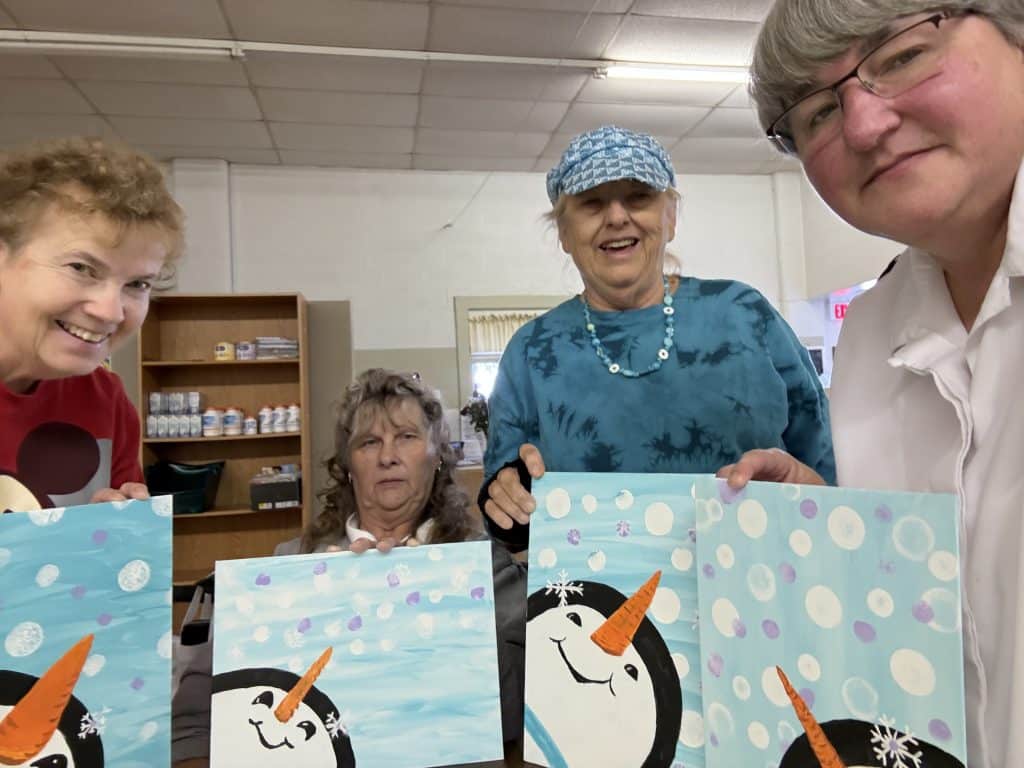
Epicenter: We all know about the Salvation Army and the bell ringing, but I think there’s a misconception out there about what you all do all year round. So let’s kind of start with the rest of the year. Tell me some of the services your organization provides.
Major Connie Shaw: Well, we do have the food pantry here in Alma as well as in Mount Pleasant, where people can come in every 30 days. They can pick up food sources, just depending on what we have.
If we have the funding, they can apply for funding for housing needs, for utility needs, depending on the situation, whether it be clothing needs or other items that we can provide.
During the summer, we take kids to week-long summer camps so they experience something out of their comfort zone, as well as meeting new kids from the division and learning. We have music camp, so they’re learning an instrument and performing. We have sports camps. We have youth camps.
Our funding comes from the community. In a lot of ways.
Obviously, our Christmas bell ringing is one of our main fundraising aspects. But we also do mail appeals, requesting for donations–especially anywhere from the Thanksgiving season into the Christmas season, because people know that there’s a need.
But there’s people that support us all year long, whether it be a monthly donation or a larger donation.
There’s a lot of different ways. From the individual that just drops by and hands us a $100 bill and says, ‘use it for what you need it’ to individuals that may give it to us in their will.

Epicenter: So, is the Salvation Army primarily a religious organization?
Major Connie Shaw: It is based on being a religious organization in that we’re Christian. We have Sunday services.
But that is what causes us to help people because that was one thing that Jesus said was to “Take care of my sheep; help my lambs” … You know, help other people. And so from that, we take that seriously … We try to reach other people. We try and meet their needs.
Epicenter: Food insecurity is on everyone’s mind. How do you see that impacting the population that you serve?
Major Connie Shaw: Well, I think the economy is affecting everyone. Because if those that normally support us are having to pay more for groceries, for supplies, they have less that they can share with us.
As far as the giving end, it’s the same way. If we don’t have the funding, then it’s very difficult to meet the needs of the community, but we just keep praying that everything will work out in God’s time, and people will be taken care of. And so that’s what our goal is.
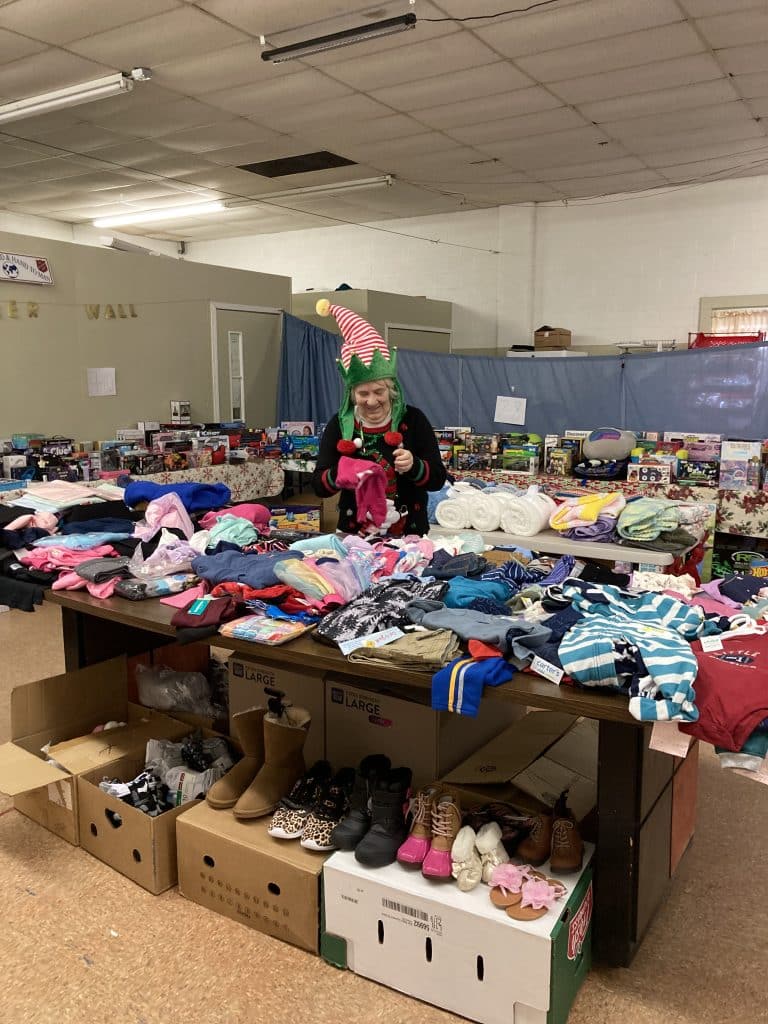
Epicenter: Well, that kind of leads me to my next question: what can members of the community do?
Major Connie Shaw: Any donations—whether financial or whether it’s, you know, material (as far as food products or anything like that)—that helps us. That goes to individuals that we can help.
Epicenter: Are there volunteer opportunities for families or groups to do together?
Major Connie Shaw: Volunteering at Christmas for the bell ring! You know, families just can get into the spirit—especially little kids love to bell ring … They can go on RegisterToRing.org and sign up for any of our locations.
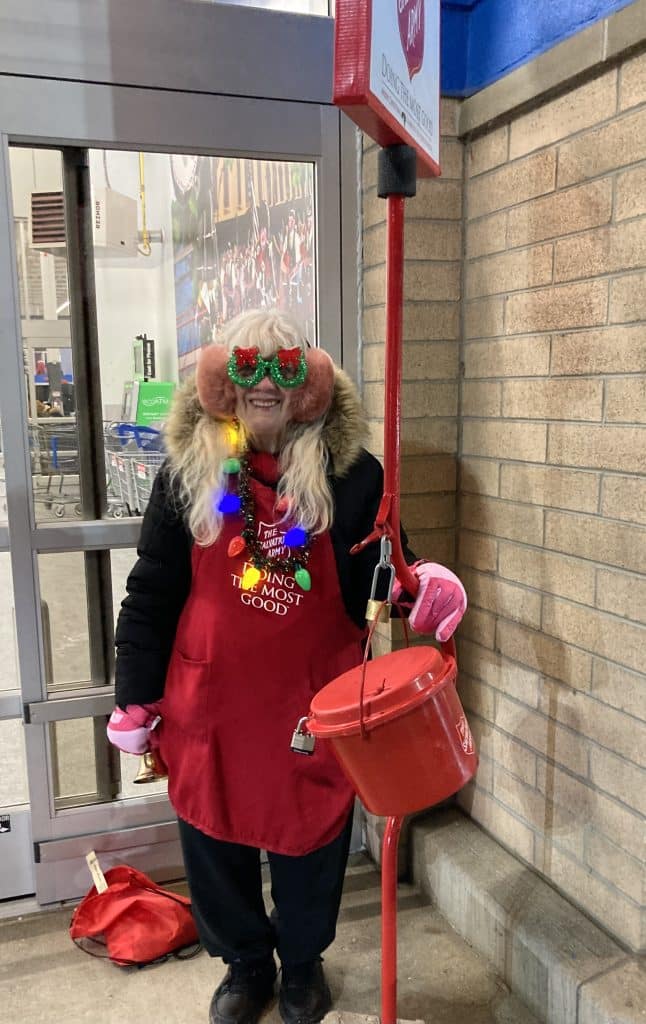
They can pick a tag from the Angel Trees and purchase toys for children in the community. They can reach out to us … Maybe they can help with the sorting, the distribution, the putting together things that need to happen so that we can get those items to the families. There’s a lot of different ways that people can give—not just financial, but of their time.
Epicenter: In your own words, why is what you do important?
Major Connie Shaw: I want people to know that they’re cared for, that they are loved. We want to help them through their difficult times. Now, granted, we can only do so much … but those emergency situations, those difficult times that people face? We want to help them get through that and get past that … I can give back and I can share that with the people that come in our doors that are just looking for help, reassurance, encouragement, hope, that you know they’ll be able to do okay.
Learn more about The Salvation Army, along with how to make a financial donation, signing up for volunteer opportunities, and learning more about their partner organizations, by visiting their website.
Author

Related Articles

Spring into March with Mt. Pleasant area events
March is bringing fresh energy to Mt. Pleasant, with a full lineup of events to help you welcome the season. From family-friendly activities and local art to live music and community gatherings, there’s something happening every week.
A regional approach to public safety that’s decades in the making
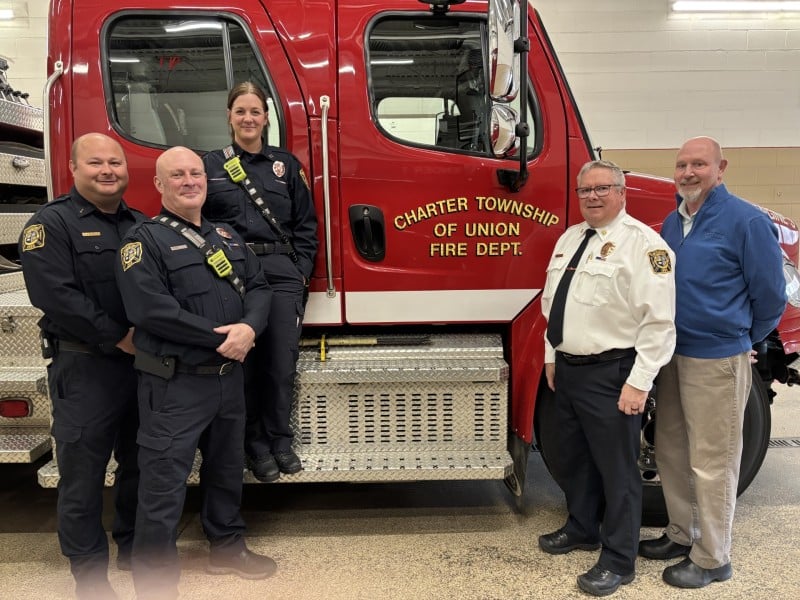
In mid-Michigan, public safety is a shared effort. Through decades of collaboration—and new agreements shaped by recent challenges—local communities are working together to ensure residents receive timely, effective emergency services.
A look at February events around Mt. Pleasant
February brings a variety of events to Mt. Pleasant, offering plenty of opportunities to get involved and stay connected during the winter months. From family-friendly activities to local gatherings, the community calendar features something for all ages. Here’s a look at what’s happening around town this February.


