
Senior services in Isabella County prepare for possible funding shortfalls
From fitness classes and meal deliveries to home care and volunteer companionship, the Isabella County Commission on Aging supports hundreds of older adults each week. But with potential federal funding cuts and a critical millage renewal ahead, director Jen Crawford shares what’s at stake for the programs that keep local seniors healthy, active, and connected.
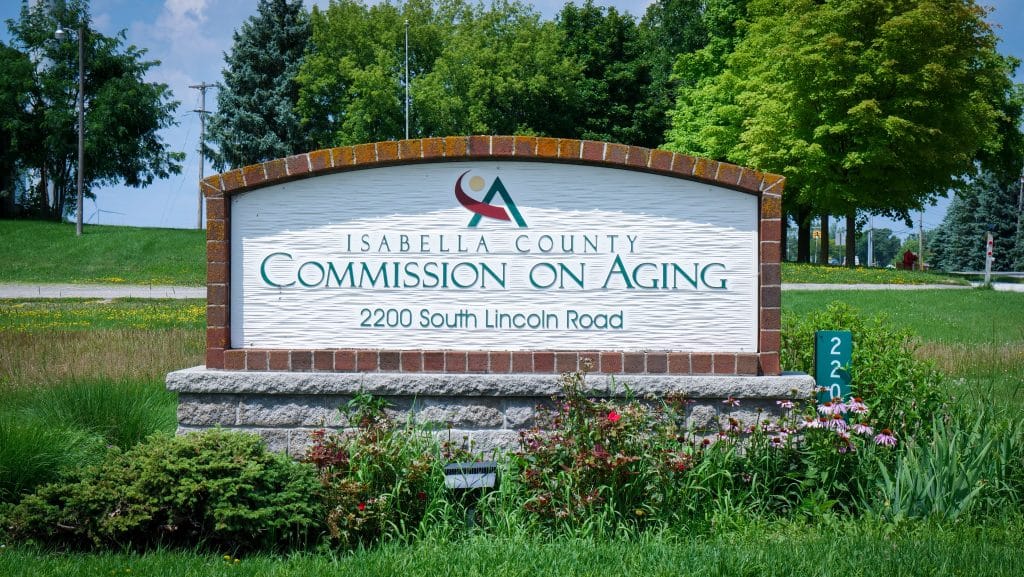
“You picture an older person in a wheelchair with a blanket on their lap staring out the window,” is what Jen Crawford says most people envision when they think of the Commission on Aging. “But it is totally opposite of that.”
Crawford is the director of the Isabella County Commission on Aging, and shares that she was once guilty of that misconception, too. However, she is passionate about promising the Commission on Aging is “so lively and there’s so much activity going on every single day.”
According to their website, “The Mission of the Isabella County Commission On Aging is to promote the health, independence and fulfillment of older adults through the coordination and provision of diverse services and opportunities.”
In fact, Crawford says the multi-service agency can be broken down into five different categories of programs and services.
The Activities Programs include day trips, guest speakers, musical performances, an annual health fair expo and craft show, and so much more.
“We have fitness classes like Tai Chi,” Crawford says. “We have aerobics. We utilize the pool at CMU, and we provide water aerobics and aqua Zumba. We have regular Zumba, chair yoga. I mean, there’s so many different types of fitness classes that are happening every week that are free for older adults, 60 and older in our community, Isabella County, at our activities program.”
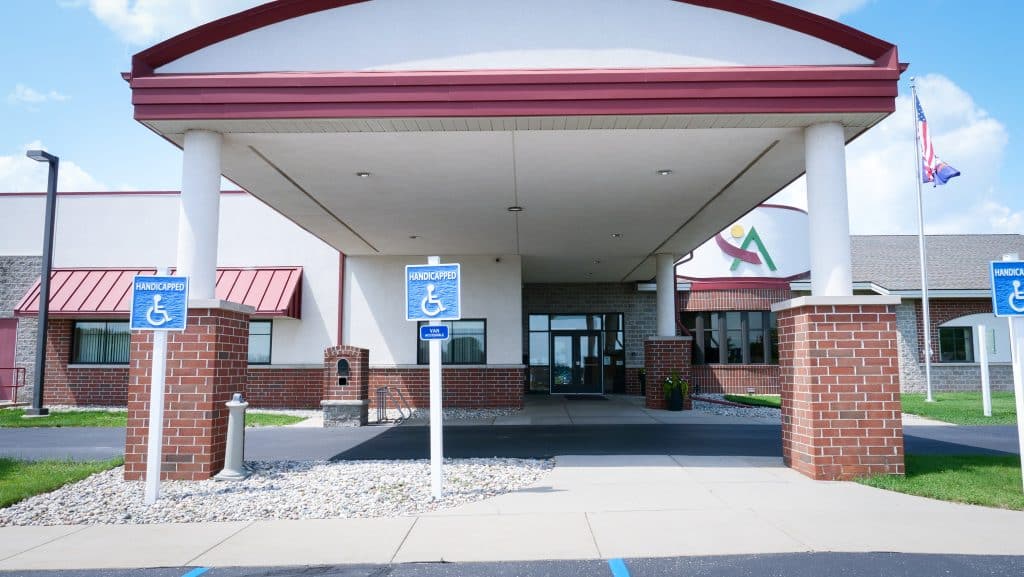
Meals are another important component of the Isabella County Commission on Aging, or “COA.”
“We have our commercial kitchen right there on site at our main location.” Crawford says. “They make from scratch meals every single five days a week, right there. We provide lunch at our facility, the main COA site, Monday through Friday, all five days. And then we have four satellite locations. We have one in Shepherd, Winn, one in Rosebush and Weidman, where we do congregate meals three days a week, just encouraging older adults to come out, socialize, have a nutritious, hot meal. And then at all those locations, they provide activities as well, music, games.”
“We also have the home-delivered meals portion of that, which is, like the national program, Meals on Wheels. We have our own because we make our own meals and then we deliver. Right now, I think they’re making about 1,100 meals a week.”
“All of our home-delivered meals are delivered by volunteers” she adds. ”I mean, for some people, that’s the only person they see that day. They make sure they visibly see the person. Make sure they’re okay, hand them their meal.”
Which leads to the next COA program: the Gold Key volunteer program.
“We have about 300 active volunteers working with COA right now,” Crawford says.
“Without them, we would not be able to do near the work that we do, just because they help us to reach so many more people,” she continues. “We have some that transport people to their medical appointments or to get groceries, pick up medicines.”
“Our volunteers at our front desk … they answer every phone call that comes in, they greet every person that comes in.”
“We have volunteers in our kitchen. We have volunteers that are out in the lunch areas, helping people get their trays and take care of things.”
While meals are served at both COA sites and delivered to homes, the organization’s In-Home Services team ensures seniors receive additional support beyond nutrition.
“We have our case managers or social workers. They’re the ones that go out if anyone calls for any service, that’s our first point of contact,” Crawford says. “They go out to the home, they do an intake, find out exactly what the individual needs, and then they refer them to any of the programs and services that we have.”
“We also have 10 aides who go into the homes of older adults. They provide light housekeeping. And then we have personal care/respite care aids. They can go out and help with those activities of daily living, like help individuals with bathing or, you know, walking, like, whatever it is that they need, they can help with.”
Crawford emphasizes that supporting caregivers is important as well—and that’s where their Respite Care program comes in.
“We have a lot of caregivers in our community, and so they [care workers] help,” she says. “They give respite, which is basically just a break, where they can care for an individual to give that caregiver a break, whether they want to go shopping or go play golf or just go up and take a nap or, yeah, it just gives them a break.”
In-Home Services case managers can also help with Medicare/Medicaid counseling, as well as direct people to other services they may need.
“They’re just experts in so many community resources. They help individuals so much. They do the unmet needs, like helping them with … emergency funding … So they do so much.”
Crawford says various funding sources make all of the COA programs possible.
The Friends of Isabella Seniors, a 501(c)(3) nonprofit, serves as the fundraising arm of the Commission on Aging. Proceeds from its events directly support the programs and services offered through the Isabella County Commission on Aging—including its popular annual golf outing.
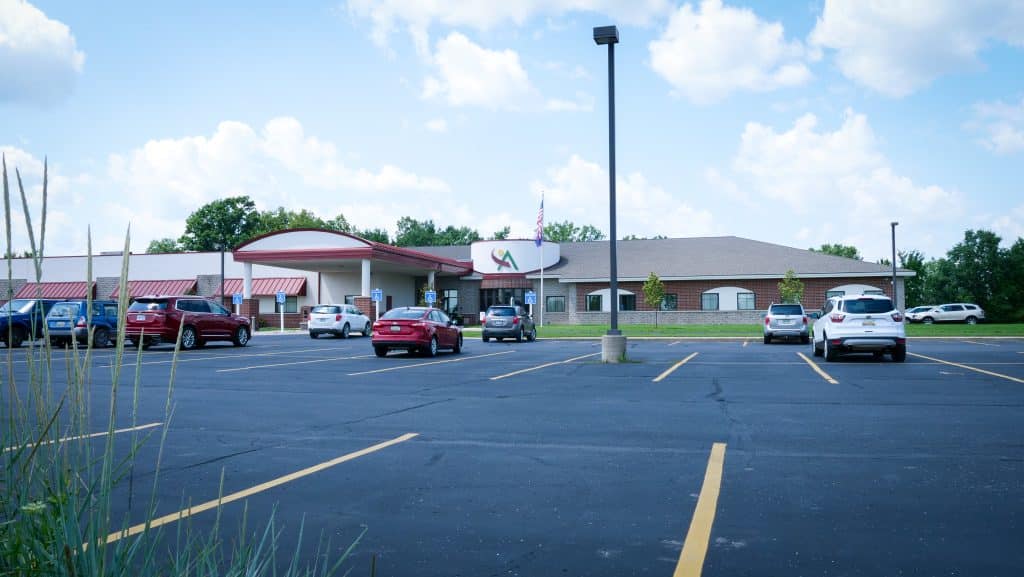
The Commission on Aging itself operates as a department within Isabella County government, supported by the Isabella County Senior Millage.
“Our biggest source of funding is our Senior Millage,” Crawford says. “Without the Senior Millage, our programs and services would be drastically different.”
“I would say the next highest level of funding that we have, that we utilize every year: the Saginaw Chippewa Indian Tribe is so incredibly generous to our organization,” Crawford continues, “through their 2%. Since 1995, the Commission on Aging has received over $10 million from the Tribe. They’re just so generous and so supportive of the COA and the program services that we offer.”
The COA shares they also receive funding from the State Office of Services to the Aging, clients and their families, and the COA Endowed Fund.
Grant money supports programming as well, thanks to the Older Americans Act of 1965 and the Region Seven, Area Agency on Aging. Crawford says these funds are designed to reimburse the COA for the food services they offer.
“Of course, you know, it doesn’t come close to reimbursing us. But then we also have our millage that helps us to recruit those costs.”
One aspect of the COA’s services and programs that may be in danger of losing funding, however, is the Foster Grandparent and Senior Companion Program, a service made possible by a grant from the State of Michigan through the federal program, AmeriCorps Seniors.
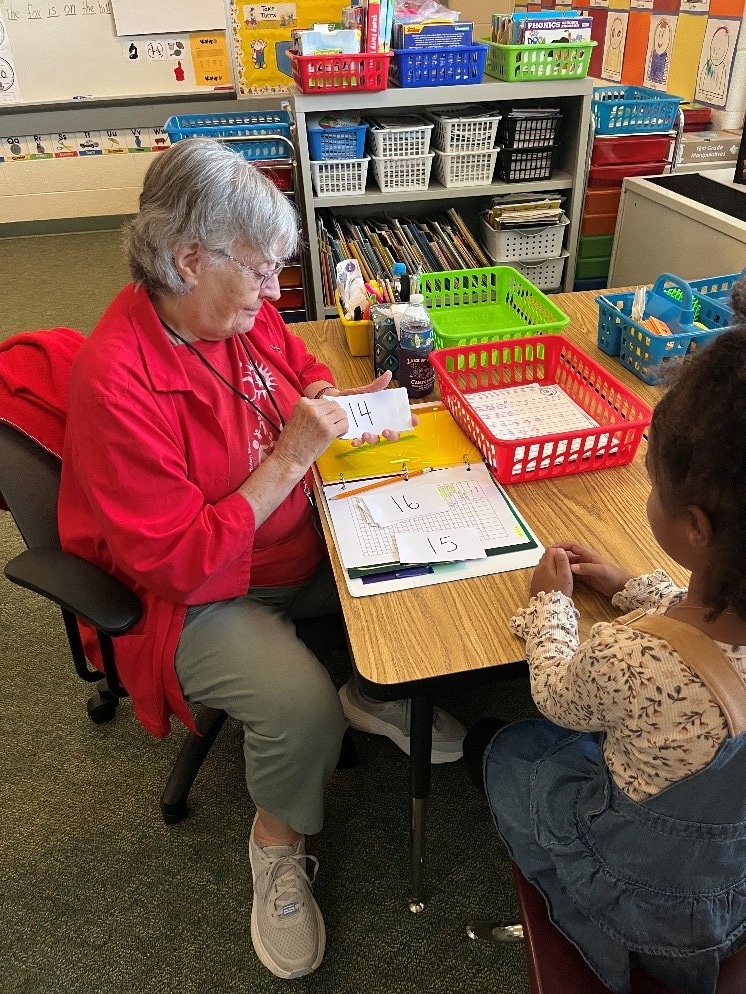
“The Senior Companions, they go out to nursing homes or into the homes of individuals that we get referrals from,” Crawford explains. “Our case managers will find out if someone is isolated or lonely and doesn’t have somebody. Then they will assign them one of our senior companions. And then they are just that. I mean, they’re a friend, they’re a companion. They go out, they visit, they play games, they read to them, they take them places. It’s just a wonderful program.”
Foster Grandparents can also be found in area schools and even daycares,
“They help the teachers,” Crawford says “If students are struggling, they can work one-on-one with them with reading or whatever it is that they need help with. And it’s just a huge help to the teacher. And then also just to have a grandma or grandpa in the classroom that, I mean, you know, if someone needs a hug, like, who better to give a hug than grandma in there? You know?”
The Foster Grandparent and Senior Companion Program is funded by a grant from the State of Michigan through the federal program, AmeriCorps Seniors. According to a United States government website, “AmeriCorps Seniors is a network of volunteer programs for Americans 55 years and older. Volunteers work in their community doing academic tutoring and mentoring, elderly care, disaster relief, and more.”
Right now, the AmeriCorps website itself links to an error page, noting that “Due to the lapse in Congressional Appropriations for Fiscal Year 2026, AmeriCorps is closed. AmeriCorps websites will not be updated until further notice.”
“The state has said, if the federal program is gone, this program ceases immediately,” Crawford says. ”Because then you’re no longer under that umbrella of the federal program, which then you would no longer be able to provide a non-taxable stipend for [the senior volunteers].”
“We’re keeping our fingers crossed and hoping that it gets kept in the federal budget, and if it does, then we should be good at least for at least for another year, and then we see what next year brings.”
Next year could bring budget uncertainty in other ways as well.
“Ours is a 10-year millage,” Crawford says, referring to local tax dollars. “So we’re up next year. And so that’s huge. That is ‘do or die’ for our organization, really, to be honest with you. That’s the majority of our funding.”
To support the COA as the millage vote approaches in 2026, it will be important for concerned community members to educate themselves and other voters on all of the services COA offers to the population they serve.
Individuals can also make a monetary donation or consider a bequest or memorial to the Isabella County Commission on Aging Endowed Fund.
In addition, Crawford says there is another way to help that is sure to bring a smile to your face.
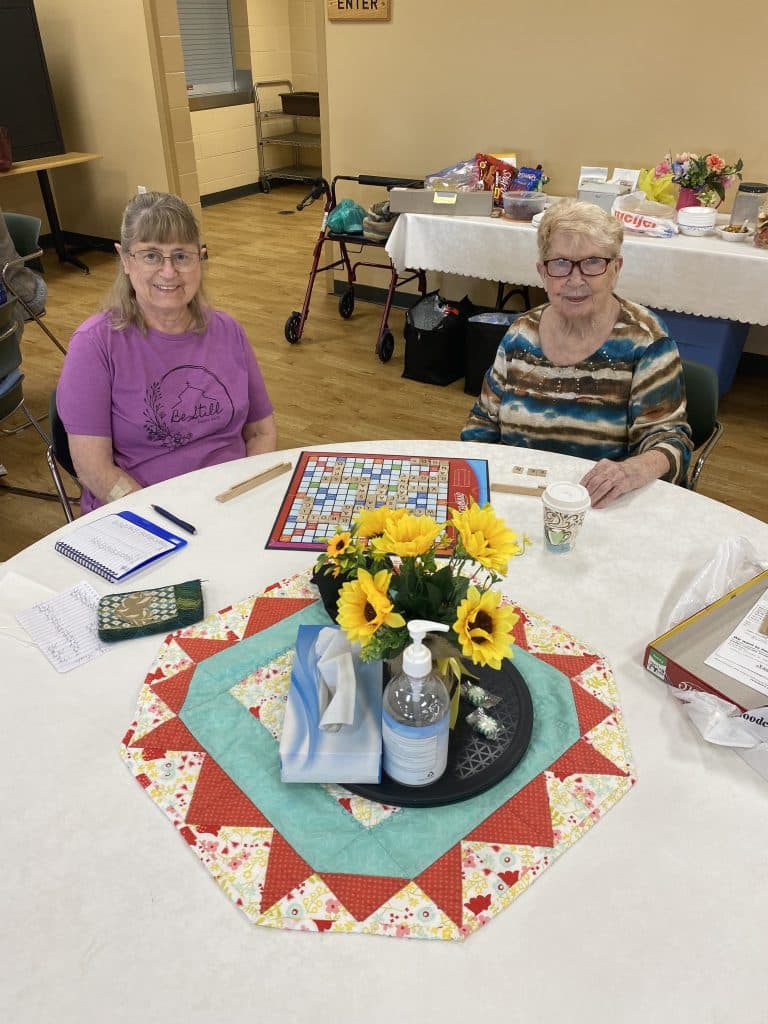
“We’re constantly looking for volunteers,” she says. “The biggest thing is our home-delivered meals, because our routes—they just continue to grow and get longer, and we need to keep splitting them off into shorter routes because we have so many people—which means we need more drivers.”
Crawford says becoming a volunteer for COA is a simple process.
“They would just have to fill out the application, get the background check completed. We do all of that, and then they get them going.”
And there are other ways to volunteer as well.
“Sometimes there’s a lot of retired individuals who are looking for something to do, like, maybe there was a builder or something, and we use some of them to go into homes and install smoke detectors or shower rails or different things like that, that older adults need in their home that they can’t do themselves, or they don’t have anyone that can do it, or they can’t afford to do it. And so we utilize volunteers in that capacity,” Crawford says.
“We have one, a plumber in our community, who contacted us. If there’s a plumbing emergency, he has donated services to help do what he can do.”
“We have this woman who just contacted us. She loves to decorate for the holidays … And, you know, if an older adult has Christmas decorations or something at their home and they can’t put them up anymore, she wants to go and help decorate their house to bring them the joy of the holidays, and then she will go back after the holidays are done, and take them back down and put them away. How awesome is that?”
“It makes me smile seeing that stuff,” Crawford adds. “If you can bring that joy into someone’s home who maybe just doesn’t have someone to help do it— how cool. I mean, we have just the most incredible people who work with us.”
When asked why she is so dedicated to the COA and the population it serves, Crawford says “it just feels right.”
“It is because they need us,” she concludes, adding, “the passion and the love that I feel from my staff towards the people that they’re serving motivates me beyond words.”
“To see the care and the compassion amongst our team members is incredible. That puts a fire under me in itself … just to know the love that the older adults in our community receive from our staff … you just can’t even put it into words.”
“They’re there because of who they’re serving. And that you can see that, and you can feel it.”
Learn more about how you can get involved with the Isabella County Commission on Aging, by visiting their website.
Author

Related Articles

Spring into March with Mt. Pleasant area events
March is bringing fresh energy to Mt. Pleasant, with a full lineup of events to help you welcome the season. From family-friendly activities and local art to live music and community gatherings, there’s something happening every week.
A regional approach to public safety that’s decades in the making
In mid-Michigan, public safety is a shared effort. Through decades of collaboration—and new agreements shaped by recent challenges—local communities are working together to ensure residents receive timely, effective emergency services.
A look at February events around Mt. Pleasant
February brings a variety of events to Mt. Pleasant, offering plenty of opportunities to get involved and stay connected during the winter months. From family-friendly activities to local gatherings, the community calendar features something for all ages. Here’s a look at what’s happening around town this February.


