
Inside the decision-making behind MPPS snow days
When winter weather threatens Isabella County, Mt. Pleasant Public Schools begins evaluating conditions long before families wake up. From National Weather Service briefings to early-morning road checks, district leaders weigh multiple factors before deciding whether to cancel or delay classes—all with student safety as the top priority.
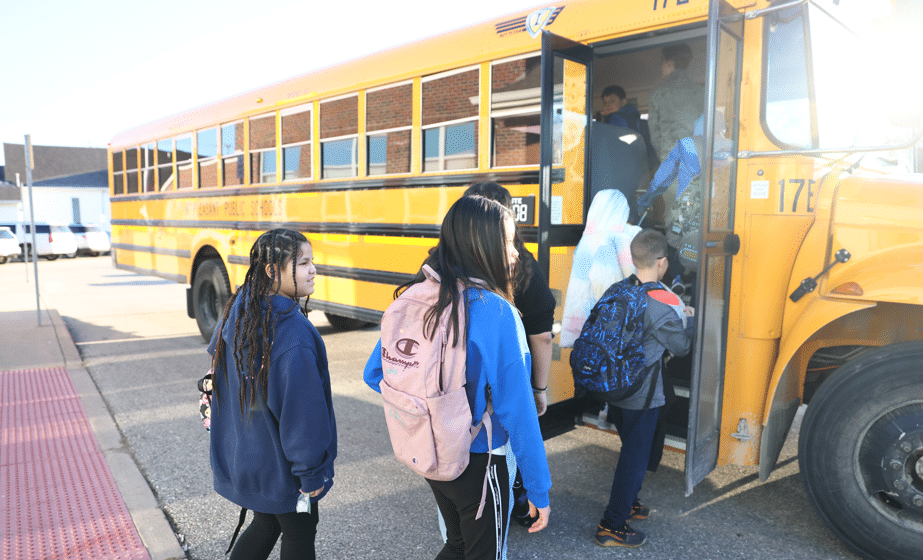
What’s Happening: When Mt. Pleasant Public Schools (MPPS) decides to cancel classes due to inclement winter weather conditions, the choice is considered well in advance, from multiple angles. From attending Zoom briefings with the National Weather Service, contacting other area school districts, consulting with the Isabella County Road Commission to even a pre-dawn drive across town by the MPPS transportation director—they don’t take the decision lightly.
So far this year, classes have been canceled twice due to inclement weather, compared to six times during the 2024-25 academic year.
What They’re Saying: “At Mt. Pleasant Public Schools, safety is a major factor in all our decisions and that includes deciding whether students can get to school safely and learn in a safe and comfortable environment,” says MPPS superintendent, Jennifer Verleger. “We have an exceptional team of leaders at MPPS who watch the weather closely, especially when we anticipate snow, icy conditions and sub-zero temperatures that can make travel to school risky and affect school activities. We also work diligently to notify families as soon as we decide to close school or delay the start of school so families can better plan their day.”
What Puts Them On Alert: MPPS transportation director, Robin Lott, says, the decision to cancel or delay classes starts early. The evening before poor weather is expected, Lott and her team join a National Weather Service Zoom briefing to learn about incoming weather conditions impacting Isabella County and the surrounding areas.
“The National Weather Service briefings are very helpful, and they help us better prepare for what’s ahead,” Lott says. “I talk with my counterparts at Beal City, Shepherd and Alma schools. We share notes, report our findings and discuss what we’d recommend to our superintendents.”
What Happens Next: Sometimes Lott even checks out the roads in person via her Chevy Blazer a little after 4 a.m. By 5 a.m., she makes her recommendations to Verleger, whose decision is typically called by 5:30 a.m. on whether or not to delay or close school.
MPPS notes sometimes the decision takes longer when heavy fog impairs visibility but is expected to dissipate during the morning—then they consult with the Isabella Road Commission for further assessments that lead to the decision of a delay.
Notifications are then spread to families via email, text, and social media, as well as being shared with local media sources.
What Else They’re Saying: “We get a lot of good information about inclement weather conditions in the 12 to 24 hours leading up to the start of the first school bell, and ultimately, our decision to close school for the day or delay classes is based on keeping our students safe on the bus, in their vehicles and in the classrooms,” Lott says.
More About the Route to Schools: MPPS school buses travel significant distances due to the size of the district. The longest route in the afternoon is 54 miles, while the longest route in the morning is 66 miles.
Author

Related Articles

Partner Partner Content On Board for Autism: Airport simulation helps autistic kids take flight
To help autistic people and their families manage these challenges, Autism Alliance of Michigan (AAoM), Delta Airlines, and the Detroit Metropolitan Airport partner to host On Board for Autism events that prepare them to successfully take a flight.
Understanding Isabella County’s millage renewal vote
Isabella County residents face a pivotal decision on August 6, as they vote on the renewal of three essential millages. With no increases in property tax rates since 1978, these millages support a wide array of services from public safety to health and community development. Understand the significant impact of the vote with the facts.
Partner Partner Content Commercial vehicles from Krapohl keep businesses on the road
Local companies, such as Konwinski Construction, rely on Krapohl Ford & Lincoln's commercial trucks and maintenance services to support their extensive operations across the Midwest.


